
Going Home Justified – Trinity 11
Going Home Justified
Trinity 11 T Luke 18:9-14
INI
Pride is sneaky. It clothes itself in righteousness. It can appear as humility, outwardly, at least. But it’s only a false humility. And that’s what we see with the Pharisees in the Gospel lesson. Their chief vice is on full display: Pride.
We all have some sense of pride. It seems to be engrained into our DNA. Our sinful flesh thrives off of it. Pride whispers that we aren’t really so bad – that it’s really OKAY to sin, because everyone slips every once in awhile.
Yet, what do we do when we observe other people? Suddenly, things are blown WAY out of proportion, and we act disproportionately against it. I once heard someone say that someone who’s prideful looks at their own life through a telescope, but he looks at others with a microscope. That is, they minimize the impact of their actions, while they maximize the impact of other’s actions. Pride inverts our vision, making us think too highly of ourselves and too little of our neighbor.
We see this even in the smallest, silliest things. I’m sure you heard about Cracker Barrel changing its logo, and people went absolutely wild. The outrage was so loud that the company changed it back—and the poor CEO was publicly disgraced over a picture on a sign! Now, I’m not making a judgment about the complaints themselves, but just notice how quickly we form immovable opinions over things that don’t really matter. The same thing happens with sports, politics, or even how someone parks their car. We react as if the world will fall apart if our opinion isn’t heard. And what’s the motivating factor underneath it all? Pride—the same vice at work in the Pharisee.
This was Pharisee’s issue in the Gospel. Pride and jealousy motivated Cain to kill his brother, Abel. And though our pride may not end up in murder, it often takes on subtler forms. Pride says, ‘I’m glad I’m not like THEM”. Or “At least I don’t suffer the life THEY have to go through.” Now, thinking in this sort of way may not seem like much – especially in the eyes of the world. But in the eyes of God, it’s deadly serious.
Look at the Pharisee in the Temple. Outwardly, he’s righteous. He does things that other people look up to and admire. He fasts, tithes, prays. He doesn’t cheat on his wife, and he’s not dishonest when dealing with people. By all accounts, he’s a model citizen!
But inwardly, his prayer in the temple reveals the worst in him. It reveals his heart. His prayer reveals what he really trusts. He trusts himself, his own works, his own abilities. Sure, he prayed a prayer of thanksgiving. He thanked God that he wasn’t caught in sin. That’s a fine prayer – I think Christians should be thankful for the freedom from sin they have in Christ. However, the Pharisee thought he had freedom because of his ability to follow and keep the LAW. That’s why Jesus said he didn’t go home justified.
Without humility, there’s no love. And as St. Paul says, even if you give away everything that you have, or surrender your body to be burned, or if you have faith so as to move mountains, but have not love…. You are nothing. Good works done apart from faith are done for the self. And you can hear it when people say they do such and such thing because ‘it makes them feel better.’ But then, the good work isn’t done for God, it’s done for yourself. The work may look good to the world, but its ultimately rooted in pride. And God isn’t pleased with our self-chosen works that are done from pride, not faith.
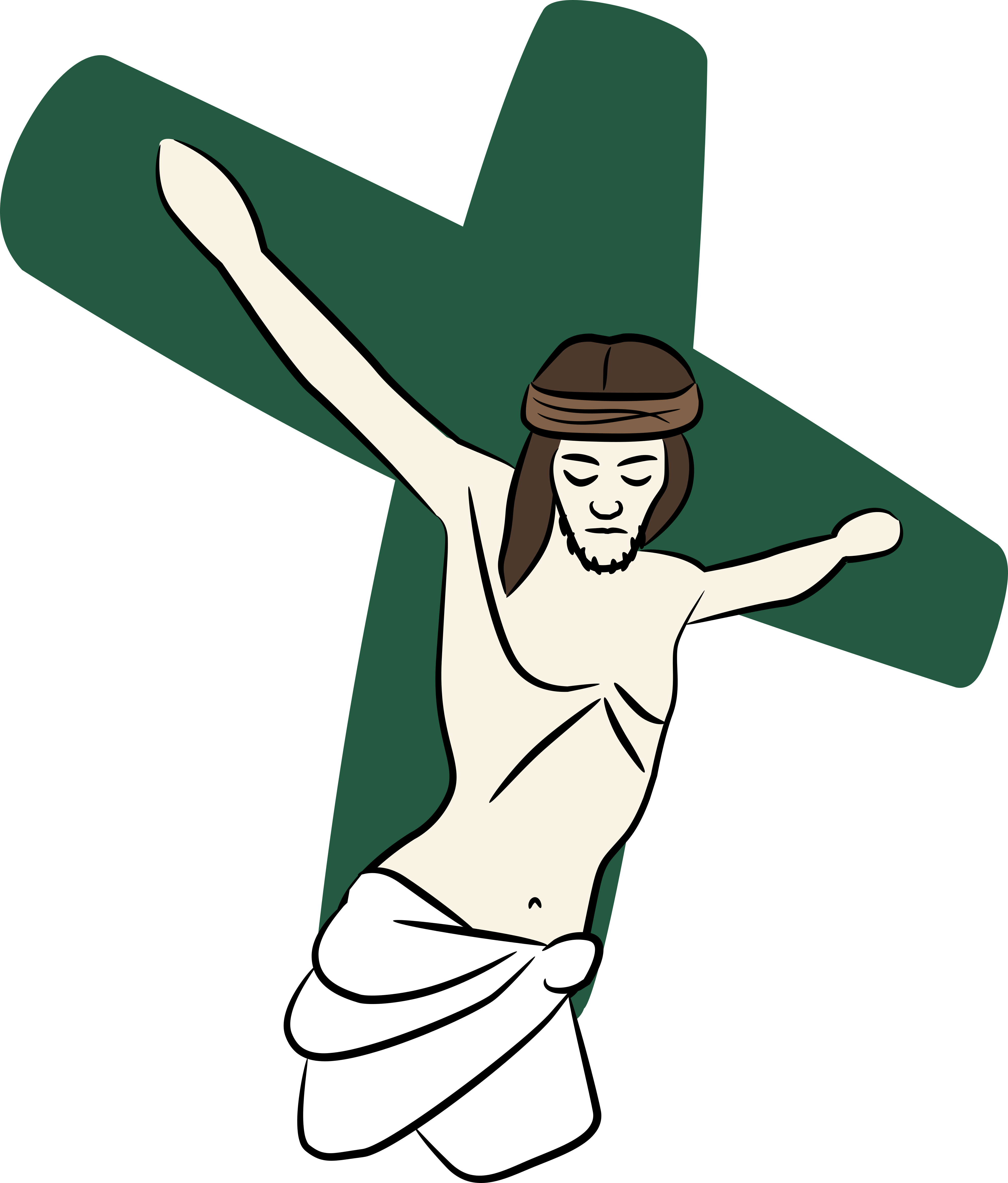
That’s why we must look to Jesus. He is the picture of TRUE humility and love. In the Garden of Gethsemane, He prayed, “Father, if it be possible, let this cup pass from me. Nevertheless, not as I will, but as you will.” Jesus didn’t WANT to go down the path of suffering and death. He didn’t WANT to be mocked and ridiculed. He didn’t WANT to endure such physical pain, and emotional and spiritual pain. But in obedience to His heavenly Father, He embraced the cross. He said, “Nevertheless, not my will, but yours be done.” THAT’S true humility. THAT’s true love. THAT’S a true faith that trusts that even if following God’s will may include something as horrible as crucifixion, it will be worth it. Because through the sacrificial act of the death of Jesus, all might be saved. His bloodshed covers all sin.
Pride says – I don’t need that. I don’t need Jesus. I don’t need church. I don’t need His Sacraments. I don’t need His Word. I don’t need to improve spiritually and learn more about Him – I’m fine just the way I am. That was the Pharisee’s problem. He thought he had special access to God because of the things he’s DONE. He thought he was a good man. But, this is the very reason why the Pharisee didn’t go home justified. He didn’t need God. He didn’t need His mercy. He figured he’s got this whole ‘living a righteous life for God’ thing down.
It’s only when we look at the tax collector when we see what true humility looks like. This man has done nothing worthy enough to be in the temple. He knows his sin. He skimmed money off the top of God’s people and profited greatly from it. But over time, he became disgusted by who he was. So, he went to the person he knew could change him: God. And he went to the place where he knows God promises to be: in the temple. And it’s there in the temple where God makes satisfaction for his sins. In prayer, this man beat his chest and said “God be merciful to me, a sinner!”
When Jesus tells this parable and mentions the tax collector’s prayer, the word for “mercy” points us directly to the cross. Jesus’ body is the new temple, and we enter God’s presence through His sacrificial blood. The tax collector isn’t merely asking for undeserved kindness – he’s pleading for atonement, for the blood of another living thing to substitute the death and guilt he rightly deserves! He wants his sin to be removed from him, to make him acceptable in the Father’s sight.
And our gracious Lord does just that. The sinner goes home justified – not because of anything he’s DONE, but because God has shown His free mercy. That same mercy comes to you today – and every Sunday! Here, you receive the divine gift of forgiveness, a cleansing word which removes all our guilt from our heavenly Father’s eyes. We join the tax collector’s plea for mercy when we sing the Kyrie each Sunday – “Lord have mercy. Christ have mercy. Lord have mercy.” And we continue this plea for mercy when we approach the altar singing the Agnus Dei – “Lamb of God, who takes away the sin of the world, have mercy upon us.” This humbling plea is seen by God as the highest expression of faith – because what’s being expressed is a trust in mercy, a trust in his love, a trust in His Son Jesus.
As a result, when we leave the altar having received Christ’s body and blood and leave the sanctuary fed by the Word of God himself, we join the tax collector in being justified. Our guilt is washed away. We begin new life.
Living in pride leaves us empty. But Christ’s mercy sends us home full – justified, forgiven, and made alive in Him.
INI

Recent Sermons
Worth Everything – Pentecost 9
July 27, 2026
Discern, Grow, Wait – Pentecost 8
July 21, 2026
The Sowing that Never Stops – Pentecost 7
July 21, 2026